
Eid is a special occasion when people enjoy celebrating with family, meeting friends, sharing meals, and wearing beautiful traditional outfits. Fashion plays an important role in these celebrations, especially when choosing clothing that reflects personal style, cultural traditions, and seasonal trends. One detail that continues to attract attention in festive fashion is embroidery. From delicate threadwork to luxurious embellishments, embroidered clothing can make an ordinary outfit look elegant and memorable.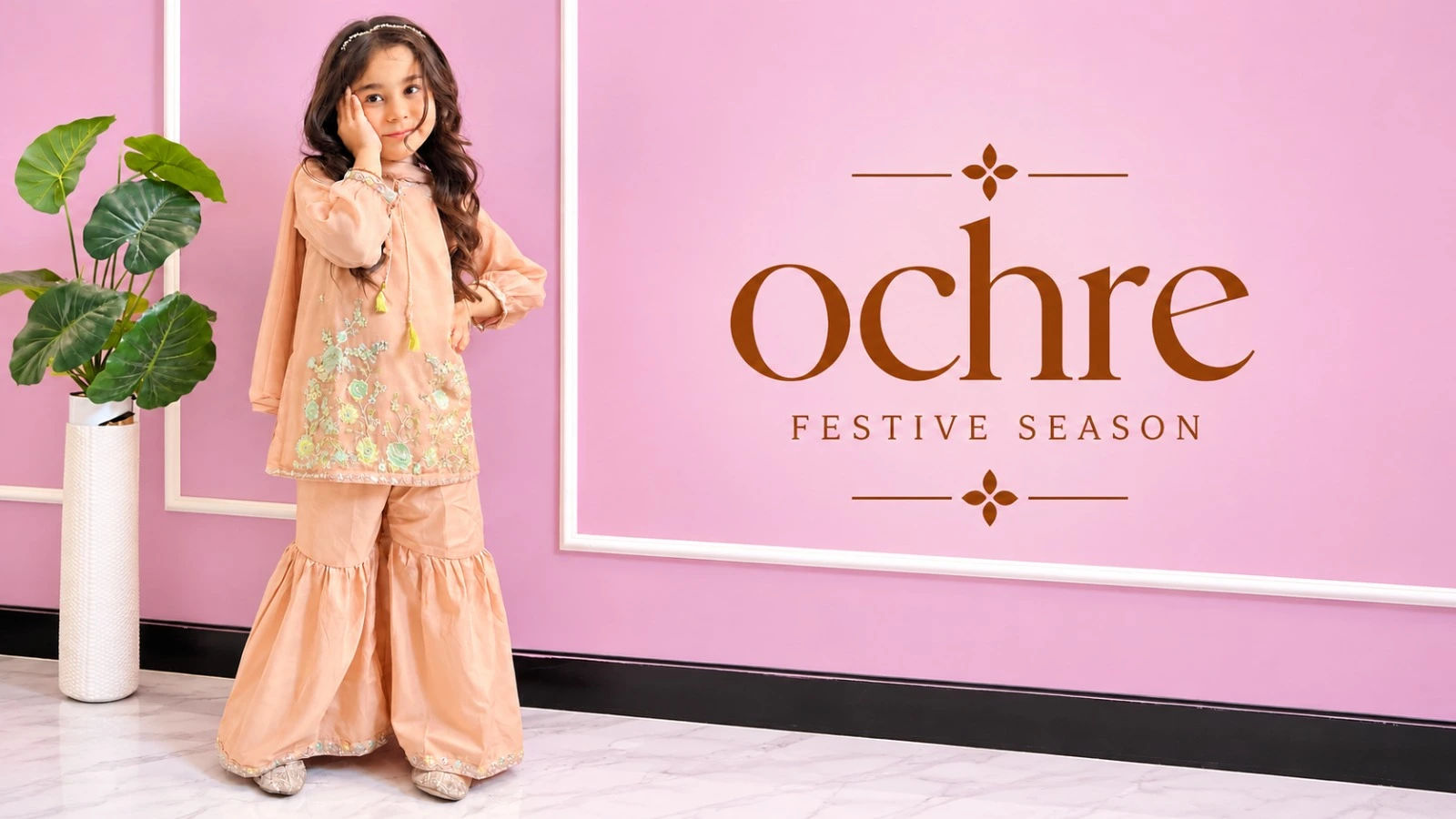
The growing popularity of traditional craftsmanship has encouraged designers to experiment with different embroidery techniques, fabrics, colours, and patterns. Modern fashion combines classic elements with contemporary cuts, creating outfits that suit different age groups and personal preferences. In this evolving fashion landscape, eid dress design 2026 can certainly use embroidery to create beautiful outfits that balance tradition, sophistication, and modern style.
Whether someone prefers a heavily decorated formal dress or a simple outfit with subtle embroidered details, there are countless ways to incorporate this traditional technique. The key is choosing the right embroidery style, fabric, colour combination, and placement. Understanding these elements can help anyone select an outfit that looks attractive without becoming unnecessarily complicated.
Why Is Embroidery Important in Eid Fashion?
Embroidery has been part of traditional South Asian clothing for generations. It represents craftsmanship, creativity, and cultural heritage. Skilled artisans use needles, threads, beads, sequins, and other materials to create decorative patterns that add personality to clothing.
For Eid celebrations, embroidery provides an opportunity to wear something more special than everyday clothing. Even a simple shirt can become festive when decorated with carefully designed embroidery.
Another reason embroidery remains popular is its versatility. It can be used on traditional shalwar kameez, long shirts, frocks, maxi dresses, ghararas, and lehengas.
Designers can also adjust the amount of decoration according to the occasion. Light embroidery works beautifully for daytime gatherings, while detailed embellishments are suitable for evening celebrations.
Combining Traditional Craftsmanship With Modern Fashion
Fashion trends change every year, but traditional embroidery continues to maintain its importance. Modern designers are finding creative ways to introduce traditional patterns into contemporary clothing.
For example, a classic embroidered neckline can be paired with a modern straight-cut shirt. Similarly, traditional floral motifs can be used on a contemporary long frock.
This combination allows people to enjoy cultural designs without feeling restricted to older clothing styles.
Creating a More Personal Look
Embroidery also makes it easier to express individual preferences. Some people prefer delicate floral patterns, while others enjoy geometric designs, traditional motifs, or detailed threadwork.
Choosing embroidery according to personal taste can make an Eid outfit feel more meaningful.
Popular Embroidery Styles for Eid Dress Design 2026
Different embroidery techniques create different visual effects. Understanding these techniques can help people choose clothing that matches their preferred appearance.
1. Traditional Thread Embroidery
Thread embroidery is one of the most versatile choices for festive clothing. It involves stitching decorative patterns directly onto fabric using coloured threads.
Floral designs, leaves, vines, and traditional motifs are common choices. These patterns can be used around the neckline, sleeves, borders, and shirt panels.
eid dress design 2026 sophisticated appearance, designers can use thread colours that complement the main fabric. For example, ivory threadwork on a pastel pink dress creates a soft and graceful look.
This technique is particularly suitable for people who want traditional decoration without excessive shine.
2. Zari and Metallic Embroidery
Zari embroidery uses metallic threads to create decorative patterns. Gold and silver details are especially popular in formal South Asian clothing.
This technique can make an outfit look luxurious and festive. It works particularly well on darker fabrics such as emerald green, navy blue, maroon, and black.
However, metallic embroidery does not need to cover the entire dress. A decorated neckline, sleeve border, or embroidered hemline can provide enough detail.
3. Mirror Work Embroidery
Mirror work is another attractive option for festive outfits. Small reflective pieces are attached to fabric using decorative stitching.
This technique adds texture and brightness, making it suitable for people who enjoy colourful and lively clothing.
Mirror work can be incorporated into sleeves, dupattas, shirt borders, and neckline patterns.
For a balanced outfit, it is better to combine mirror work with simpler fabric rather than decorating every section heavily.
4. Sequin Embroidery
Sequins are small decorative elements that reflect light. They are commonly used in formal dresses because they create a glamorous appearance.
A dress with delicate sequin embroidery can look especially attractive during evening Eid gatherings.
Designers can combine sequins with threadwork to create floral patterns, borders, or abstract designs.
The important thing is to maintain balance. Too many sequins can make an outfit uncomfortable or overly shiny.
5. Resham Embroidery
Resham embroidery uses silk-like threads to create colourful decorative patterns.
It is particularly suitable for floral designs and traditional motifs. Because it does not necessarily rely on metallic elements, it can produce a soft and refined appearance.
Resham work looks beautiful on lawn, cotton, chiffon, and other suitable fabrics.
It is an excellent choice for daytime Eid outfits.
Which Fabrics Work Best With Embroidery?
Choosing the right fabric is just as important as selecting the embroidery technique. Different materials support different types of decorative work.
A lightweight fabric may require delicate stitching, while heavier materials can support more detailed embellishments.
Lawn Fabric
Lawn is a popular choice for warm-weather clothing, particularly in Pakistan.
It is breathable, lightweight, and comfortable for daytime celebrations. Light thread embroidery, floral motifs, and small decorative borders work particularly well on lawn.
People who prefer simple Eid outfits can choose embroidered lawn shirts with matching trousers and dupattas.
Chiffon
Chiffon is known for its lightweight and flowing appearance. It is frequently used for formal dresses, dupattas, and layered outfits.
Fine embroidery can add elegance without making the material look too heavy.
However, chiffon requires careful handling because its delicate structure may need additional support around embroidered sections.
Organza
Organza is a lightweight fabric with a slightly structured appearance.
It is particularly suitable for embroidered sleeves, dupattas, overlays, and formal shirt panels.
Floral embroidery, zari details, and delicate embellishments can look beautiful on organza.
Silk
Silk provides a rich and smooth appearance that works well for formal Eid clothing.
It can support decorative embroidery, including metallic threadwork, traditional motifs, and detailed borders.
Silk outfits are especially appropriate for people who prefer a luxurious traditional appearance.
Cotton
Cotton is another comfortable option for Eid celebrations.
It is suitable for people who prioritise comfort and prefer breathable clothing. Simple thread embroidery can make cotton outfits look festive without affecting their everyday practicality.
How Much Embroidery Should an Eid Dress Have?
One of the most important decisions when selecting an embroidered outfit is deciding how much decoration is appropriate.
Not every dress needs heavy embroidery to look beautiful. Sometimes, a small amount of carefully placed work creates a more sophisticated appearance.
The right amount depends on the fabric, dress style, occasion, and personal preference.
Light Embroidery for Simple Outfits
Light embroidery is ideal for people who enjoy minimal fashion.
A few embroidered flowers around the neckline, delicate sleeve details, or a decorated shirt border can create a graceful appearance.
This approach is particularly useful for daytime Eid gatherings, family visits, and casual celebrations.
Medium Embroidery for Versatile Clothing
Medium embroidery provides a balance between simplicity and formality.
It may include decorated necklines, embroidered front panels, detailed sleeves, and lightly embellished dupattas.
These designs can work for different Eid occasions, making them a practical option for people who want one outfit that can be styled in multiple ways.
Heavy Embroidery for Formal Celebrations
Heavy embroidery is suitable for formal Eid dinners, evening events, and special family gatherings.
These outfits may feature extensive threadwork, beads, sequins, zari, and other decorative elements.
However, it is important to consider comfort. A heavily embroidered outfit should still allow easy movement and feel appropriate for the weather.
Best Embroidery Placement for Modern Eid Dresses
The placement of embroidery can completely change the appearance of an outfit.
Even when two dresses use similar patterns and colours, different embroidery placements can produce very different results.
Embroidered Necklines
The neckline is one of the most popular areas for decorative work.
A beautifully embroidered neckline immediately attracts attention and can make a simple shirt look more formal.
Popular options include floral borders, traditional motifs, geometric patterns, and delicate metallic detailing.
Decorative Sleeves
Sleeves provide another excellent opportunity to introduce embroidery.
Bell sleeves, straight sleeves, and flared sleeves can all feature decorative stitching.
Embroidered cuffs are particularly attractive because they add detail without overwhelming the overall design.
Embroidered Shirt Borders
The lower border of a shirt can feature traditional patterns, floral vines, or geometric motifs.
This placement works particularly well with straight shirts, long shirts, and traditional festive outfits.
Dupatta Embroidery
A dupatta can become the main decorative feature of an outfit.
Four-sided embroidered borders, delicate floral patterns, and decorated corners can create a beautiful finishing touch.
A simple shirt paired with an embroidered dupatta can look just as attractive as a heavily decorated dress.
Embroidered Trouser Details
Embroidery does not need to be limited to shirts and dupattas.
Trouser hems can feature small motifs, lace details, or matching threadwork.
This creates a coordinated appearance and makes the entire outfit feel thoughtfully designed.
Trending Colours for Embroidered Eid Dresses in 2026
Colour selection plays a significant role in determining how embroidery looks.
Some shades create a soft and elegant appearance, while others provide a bold and dramatic effect.
Here are several colour combinations worth considering.
Pastel Pink With Silver Embroidery
Pastel pink is a graceful choice for people who enjoy soft colours.
Silver embroidery can complement the fabric beautifully, creating a delicate and sophisticated appearance.
This combination works especially well for daytime gatherings.
Emerald Green With Gold Embroidery
Emerald green and gold create a rich traditional combination.
The contrast between the deep green fabric and metallic embroidery makes this pairing suitable for formal Eid clothing.
It can be used for long shirts, frocks, and traditional ghararas.
Ivory With Champagne Embroidery
Ivory is a timeless colour that provides an elegant background for decorative details.
Champagne embroidery creates a subtle luxurious effect without introducing excessive contrast.
This combination is particularly suitable for people who prefer understated formal fashion.
Lavender With White Threadwork
Lavender offers a fresh and youthful appearance.
White thread embroidery can introduce delicate floral details while maintaining a light overall look.
This combination is suitable for lawn, chiffon, and organza outfits.
Deep Blue With Silver Embroidery
Deep blue creates a sophisticated appearance, especially when paired with silver detailing.
This combination can work beautifully for evening Eid celebrations.
How to Style Embroidered Eid Dresses
An embroidered outfit should be styled carefully to ensure that the accessories complement rather than compete with the clothing.
The right shoes, jewellery, handbag, and hairstyle can complete the appearance.
Choose Jewellery According to the Embroidery
If the dress features heavy embroidery, simple jewellery may be the better choice.
Small earrings, delicate bracelets, or a simple ring can provide enough decoration.
For lightly embroidered outfits, statement earrings or a traditional necklace can introduce additional interest.
The goal is to create a balanced appearance.
Select Comfortable Footwear
Footwear should match both the outfit and the occasion.
Traditional khussas, embellished flats, sandals, and low heels are popular options.
For family gatherings involving considerable movement, comfortable footwear is particularly important.
Style Your Dupatta Carefully
The dupatta can be styled over one shoulder, across both shoulders, or in a more traditional arrangement.
If it contains heavy embroidery, keeping the rest of the outfit relatively simple can create a more balanced look.
A lightweight dupatta is often more comfortable during warm-weather celebrations.
Select a Suitable Handbag
A small clutch or traditional handbag can complement an embroidered outfit.
Metallic handbags work well with gold or silver detailing, while neutral shades are suitable for colourful dresses.
Avoid selecting accessories that introduce too many competing patterns.
Can Embroidery Be Used on Simple and Minimal Eid Dresses?
Absolutely. Embroidery is not limited to heavily decorated formal clothing.
Minimal outfits can look exceptionally beautiful when embroidery is used thoughtfully.
For example, a plain white shirt with delicate floral embroidery around the neckline can create a graceful Eid appearance.
Similarly, a simple pastel dress with embroidered sleeve cuffs can look elegant without requiring additional decoration.
Minimal embroidery also allows the fabric, tailoring, and overall silhouette to remain visible.
This approach is particularly suitable for people who prefer comfortable clothing and want something that can be worn again for other occasions.
Traditional Versus Contemporary Embroidery Designs
Traditional and contemporary embroidery both have a place in modern Eid fashion.
Traditional designs generally include floral vines, paisley motifs, geometric patterns, and heritage-inspired borders.
These patterns are often associated with classic South Asian clothing.
Contemporary embroidery, on the other hand, may include abstract shapes, asymmetrical designs, modern floral arrangements, and unusual colour combinations.
Some designers combine both approaches to create outfits that feel familiar but still look modern.
For example, a contemporary straight-cut shirt may feature traditional embroidery along one side rather than across the entire front.
This combination allows people to celebrate cultural fashion while experimenting with newer design ideas.
Tips for Choosing the Right Embroidered Eid Dress
Selecting an attractive outfit requires more than following fashion trends. It is important to consider comfort, quality, personal preferences, and the occasion.
Here are some useful suggestions.
Consider the Weather
Eid celebrations in Pakistan can take place during warm weather.
Lightweight fabrics such as lawn, cotton, and chiffon may be more comfortable for daytime events.
If an outfit contains heavy embroidery, check whether the fabric remains breathable and comfortable.
Check Embroidery Quality
Good-quality embroidery should have neat stitching, secure decorative elements, and consistent patterns.
Loose threads, uneven designs, and poorly attached embellishments can affect the appearance and durability of clothing.
Before purchasing an outfit, inspect the neckline, sleeves, borders, and seams carefully.
Think About Your Personal Style
Not every fashion trend suits everyone.
Some people enjoy traditional clothing, while others prefer contemporary cuts and minimal designs.
Choose embroidery that reflects your preferences instead of selecting an outfit simply because it is popular.
Maintain a Reasonable Budget
Embroidered clothing is available at different price levels.
Hand embroidery can be more expensive because it requires considerable time and skilled labour.
Machine embroidery can provide decorative details at a more affordable price.
Both options can look attractive when the design and finishing are handled properly.
Prioritise Comfort
An Eid dress should allow comfortable movement throughout the day.
Pay attention to the weight of the embroidery, fabric lining, sleeve design, and overall fitting.
An attractive outfit becomes much more enjoyable when it feels comfortable to wear.
How to Care for Embroidered Eid Dresses
Proper care helps preserve embroidery and maintain the original appearance of clothing.
Some embroidery techniques require more attention than others, especially when they include delicate threads, beads, sequins, or metallic elements.
Follow Fabric Care Instructions
Always check the washing instructions before cleaning an embroidered dress.
Some garments may require professional dry cleaning, while others can be gently hand-washed.
Avoid using strong detergents that may damage delicate threads or decorative materials.
Store Dresses Properly
Store embroidered clothing in a clean, dry wardrobe.
Use suitable garment covers to protect delicate materials from dust and moisture.
For heavier outfits, provide enough hanging support or fold them carefully according to the fabric's requirements.
Avoid Excessive Heat
Direct heat can damage certain embroidery materials.
When ironing, follow the fabric instructions and avoid placing a hot iron directly over beads, sequins, or metallic threadwork.
Using a protective cloth can help reduce the risk of damage.
Handle Decorative Details Carefully
Avoid pulling loose threads or decorative pieces.
If an embellishment becomes loose, arrange for professional repair before wearing the dress again.
Regular care can help preserve an embroidered outfit for future celebrations.
Will Embroidery Remain Popular Beyond Eid 2026?
Embroidery has remained an important part of traditional fashion for many years because it offers something that ordinary printed fabric cannot always provide: texture, craftsmanship, and individuality.
Although particular colours, motifs, and techniques may change with fashion trends, embroidery continues to offer designers countless creative opportunities.
Its versatility also makes it suitable for different clothing styles.
A lightly embroidered shirt can be worn for casual gatherings, while a heavily decorated outfit can be reserved for weddings and formal celebrations.
As designers continue experimenting with modern silhouettes and traditional techniques, embroidered clothing is likely to remain relevant in festive fashion.
The growing interest in handcrafted details may also encourage more people to appreciate the time and skill involved in creating traditional embroidered garments.
Conclusion
Embroidery is an excellent way to make Eid clothing more elegant, distinctive, and connected to traditional fashion. It offers countless possibilities for people who want to celebrate Eid while expressing their personal style. From delicate floral threadwork to luxurious zari, mirror work, sequins, and colourful resham designs, there are many techniques that can transform an ordinary outfit into something special.
The most important consideration is balance. A beautiful outfit does not necessarily need heavy decoration. Sometimes, a carefully embroidered neckline, attractive sleeve borders, or a detailed dupatta can create a more sophisticated appearance than an entirely embellished dress.
Fabric selection also matters. Lawn and cotton are suitable for comfortable daytime clothing, while chiffon, organza, and silk provide attractive options for more formal occasions. Choosing embroidery that complements the fabric can improve both the appearance and practicality of an outfit.
When exploring eid dress design 2026, people should consider their preferred colours, clothing styles, budgets, and comfort requirements. Pastel shades with delicate threadwork, deep colours with metallic embroidery, and traditional patterns with modern cuts all offer interesting possibilities.
It is equally important to focus on embroidery quality, appropriate accessories, and proper garment care. These details can make an outfit more comfortable, attractive, and durable.
Ultimately, embroidery can certainly be part of Eid fashion in 2026. Whether someone chooses a simple embroidered lawn suit or a luxurious formal dress, the right combination of craftsmanship, fabric, colour, and design can create an outfit that feels beautiful and meaningful. Eid fashion is about celebrating personal style and cultural traditions, and embroidery provides a wonderful way to bring both together.